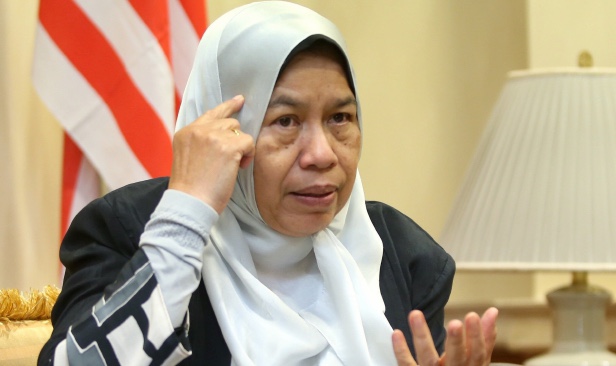
ஜுரைடா: சீனாவின் பேக்கரி கொழுப்புச் சந்தையில் கடிப்பது பாமாயில் கீழ்நிலைத் துறையை அதிகரிக்கும்

பெயரிடப்பட்டது/பெயரிடப்பட்டது
செப்டம்பர் 21, 2022 15:12 pm
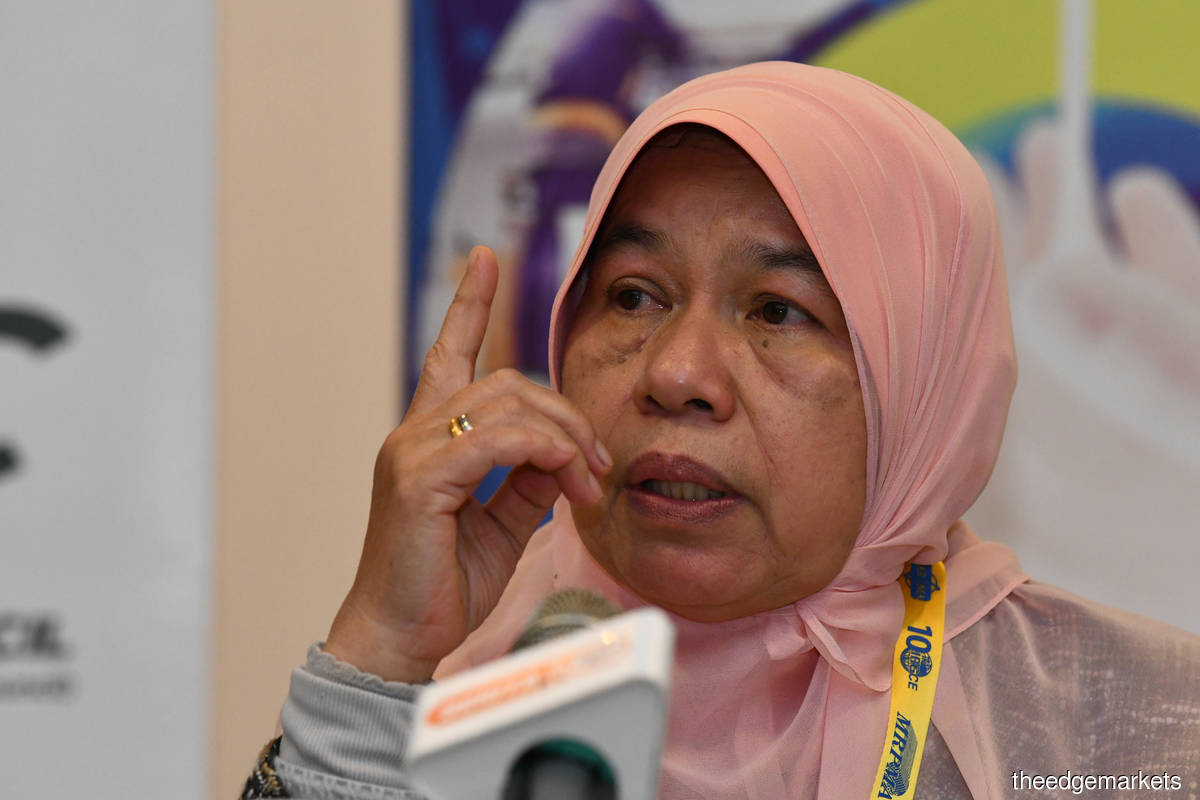
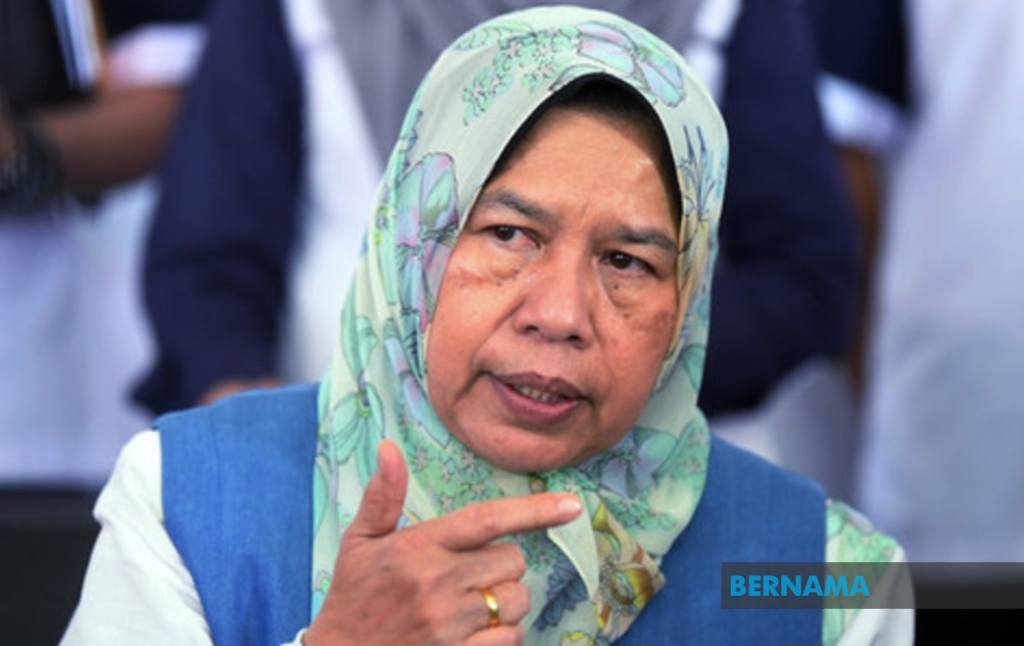
சீனாவின் பேக்கிங் தொழிலுக்கான ஊக்கமளிக்கும் கண்ணோட்டம், பேக்கிங் கொழுப்புகள் முக்கிய மூலப் பொருட்களில் ஒன்றாக இருப்பது, மலேசியாவின் பாமாயில் துறையின் கீழ்நிலைப் பிரிவினருக்கு நல்லது என்று Zuraida கூறுகிறார்.  (புகைப்படம் முகமது சுஹைமி முகமது யூசுப்/தி எட்ஜ்)

சீனாவின் பேக்கிங் தொழிலுக்கான ஊக்கமளிக்கும் கண்ணோட்டம், பேக்கிங் கொழுப்புகள் முக்கிய மூலப் பொருட்களில் ஒன்றாக இருப்பது, மலேசியாவின் பாமாயில் துறையின் கீழ்நிலைப் பிரிவினருக்கு நல்லது என்று Zuraida கூறுகிறார். (புகைப்படம் முகமது சுஹைமி முகமது யூசுப்/தி எட்ஜ்)

கோலாலம்பூர் (செப். 21): சீனாவின் பேக்கரி கொழுப்புச் சந்தையில் மலேசியா தனது சந்தைப் பங்கை மேலும் விரிவுபடுத்த வேண்டும் என்று பெருந்தோட்டத் தொழில்கள் மற்றும் பொருட்கள் அமைச்சர் டத்தோ ஸுரைடா கமருடின் கூறினார்.

இந்தோனேசியா மற்றும் மலேசியாவிலிருந்து முக்கிய மூலப்பொருளை இறக்குமதி செய்வதில் சீனா ஈடுபட்டுள்ளதாகவும், அதன் ஏற்றுமதி 2021 ஆம் ஆண்டில் 7,655 டன்களாக இருந்தது, ஏனெனில் குடியரசின் ஆண்டு உற்பத்தி அதன் வளர்ந்து வரும் உள்நாட்டு நுகர்வு தேவையை பூர்த்தி செய்யவில்லை.

எனவே, உலகின் இரண்டாவது பெரிய பொருளாதாரத்தில் புகழ்பெற்ற பேக்கரி நிறுவனங்களுடன் பிணைப்புகளை உருவாக்குமாறு உள்நாட்டில் வளர்க்கப்படும் சுருக்கம் மற்றும் மார்கரின் உற்பத்தியாளர்களை அமைச்சர் வலியுறுத்தினார்.ஸ்பான்சர் செய்யப்பட்ட உள்ளடக்கம்

மலேசியாவிலும் உலகெங்கிலும் அதிகரித்து வரும் பணவீக்கம் மற்றும் வளர்ந்து வரும் வட்டி விகிதங்கள் வீட்டுச் சந்தையையும் அதையொட்டி அடமானங்களையும் தொடர்ந்து பாதிக்கின்றன. பணவீக்கம் அல்லது தனிமைப்படுத்தப்பட்ட வட்டி விகிதங்களைப் பார்ப்பது, உங்கள் அடமானக் கொடுப்பனவுகளைச் சரிசெய்வது போன்ற உங்கள் சொந்த நிதி நிலைமையை எவ்வாறு அணுகுவது என்பது பற்றிய யோசனைகளைத் தூண்டலாம்.

“இந்த நேரத்தில் சீனாவின் பேக்கரி துறையில் மலேசியாவின் ‘கேக்’ சிறியதாக இருந்தாலும், உலகின் இரண்டாவது பெரிய பாமாயில் உற்பத்தியாளர் சீனாவின் பேக்கரி மூலப்பொருள் சந்தையில் தனது சந்தைப் பங்கை சரியான விளம்பரம் மற்றும் சந்தைப்படுத்தல் உத்திகளுடன் விரிவுபடுத்த முடியும்,” என்று அவர் கூறினார். புதன்கிழமை (செப்டம்பர் 21) ஒரு அறிக்கை.

சீனாவின் மார்கரைன் சந்தையும் 20% வருடாந்திர வளர்ச்சி விகிதத்துடன் வேகமாக வளர்ந்து வருவதாக அவரது அமைச்சகம் தெரிவித்துள்ளது.

சீனா இந்தோனேசியாவிலிருந்து மார்கரைனை இறக்குமதி செய்கிறது, அதைத் தொடர்ந்து 2021 இல் மலேசியாவிலிருந்து 650 டன்கள் வருகிறது, 2020 இல் 590 டன்களில் இருந்து 10% அதிகரித்துள்ளது.

சீனாவின் பேக்கரி சந்தையின் சந்தை அளவு 187.7 பில்லியன் யுவானில் இருந்து 265.7 பில்லியன் யுவானாக (RM172.53 பில்லியன்) உயர்ந்துள்ளது, 2017 முதல் 2021 வரையிலான சராசரி கூட்டு ஆண்டு வளர்ச்சி விகிதம் சுமார் 9% ஆகும்.

இது உலகளாவிய பேக்கிங் தொழில்துறையின் சந்தை அளவின் வளர்ச்சி விகிதத்தை விட மிக அதிகம் என்று அந்த அறிக்கையில் மேலும் தெரிவிக்கப்பட்டுள்ளது.

2022 ஆம் ஆண்டில் சீனாவின் வேகவைத்த உணவுத் துறையின் சந்தை அளவு 287.4 பில்லியன் யுவானை எட்டும் என்று எதிர்பார்க்கப்படுவதாக ஜுரைடா கூறினார்.

கடந்த ஆண்டு சீனாவின் பேக்கரி துறையில் முதலீடு 26 மற்ற தொழில்களில் முதலிடம் பிடித்தது, மொத்தம் 6.14 பில்லியன் யுவான், இது பொருளாதார நடவடிக்கைகளில் கோவிட் -19 க்கு பிந்தைய மீட்சிக்கு காரணமாகும்.

சீனாவின் பேக்கிங் தொழிலுக்கான இந்த ஊக்கமளிக்கும் கண்ணோட்டம், பேக்கிங் கொழுப்புகள் முக்கிய மூலப் பொருட்களில் ஒன்றாக இருப்பதால், மலேசியாவின் பாமாயில் துறையின் கீழ்நிலைப் பிரிவினருக்கு இது நல்லது என்று Zuraida கூறினார்.

“தங்கள் வெளிநாட்டு வணிக இருப்பை உறுதிப்படுத்த ஆர்வமுள்ள பாமாயில் கீழ்நிலை வீரர்களை நிறைவுசெய்ய, அமைச்சகம் ‘பாமாயிலின் நன்மையை வென்றெடுப்பதற்கான உலகளாவிய இயக்கம்’ பிரச்சாரத்தை மேற்கொண்டுள்ளது.

“இந்தத் தளமானது மலேசிய பாமாயிலின் உயர்தரத்தைப் பற்றிய விழிப்புணர்வை ஏற்படுத்துவதோடு, நமது தங்க எண்ணையின் மீது பரப்பப்படும் பல்வேறு தவறான தகவல்கள் மற்றும் தவறான தகவல்களை எதிர்கொள்வதையும் நோக்கமாகக் கொண்டுள்ளது,” என்று அவர் கூறினார்.
YB Datuk Hajah Zuraida Kamaruddin’s Ministry…Palm tocotrienol exports hit RM21.55 million in seven months …MPOB

Minister YB Datuk Hajah Zuraida Kamaruddin

KUALA LUMPUR (Sept 12): Malaysia exported palm tocotrienols to a tune of some RM21.55 million or 19.45 tonnes from January to July this year, said the Malaysian Palm Oil Board (MPOB).

MPOB director general Datuk Dr Ahmad Parveez Ghulam Kadir said the increasing clinical evidence of palm tocotrienol benefits is seen to boost the export value.

“In the Asia Pacific region, the pharmaceutical, medical food, and clinical nutrition markets are predicted to grow at a faster compound annual growth rate (CAGR) of 11.5% through 2022, followed by dietary and food supplement and other applications. Until 2022, revenue from vitamin E tocotrienols is expected to expand at a CAGR of 23.5%.

“I’m sure this export will be expanding and there is a bright future for tocotrienol when it comes to pharmaceutical,” he said during the “Advances on Tocotrienol Research and Development” webinar on Monday.

He said the global market size of tocotrienols was valued at US$321.5 million (RM1.45 billion) in 2018 and tocotrienols’ potential value in 2025/2026 is expected to reach US$522 million.

Ahmad Parveez’s presentation was rendered by MPOB head of nutrition unit, product development, and advisory service division Dr Kanga Rani Selvaduray.

He said palm tocotrienol is a natural, safe nutraceutical/food ingredient bestowed with a bouquet of health-promoting effects, namely on combating non-communicable diseases.

“In palm oil, 70% of the composition of vitamin E is tocotrienols, while 30% is made of tocopherols. Vitamin E is important in preserving oil stability, extending the shelf life as well as contributing to health benefits,” he said.

Meanwhile, Ahmad Parveez said MPOB has opened up the tocotrienol matching grant — Phase II Clinical Studies On The Health Benefits of Tocotrienols — to Malaysian universities, research institutes, and members of the oil palm industry.

So far, 11 projects have been approved, he noted. 

“MPOB together with the Malaysian Oil Scientists’ and Technologists’ Association have been encouraged to put up a claim for tocotrienols with the Ministry of Health (MOH).

“After several rounds of discussion, we have actually gone through the public comment level and soon tocotrienols can be claimed as an antioxidant to help reduce oxidative stress as well as improve cognitive functions.

“We are waiting for the letter from the MOH to allow the industry players to use this claim prior to getting it gazetted in the Malaysian Food Act,” he said.

YB Datuk Hajah Zuraida Kamaruddin…“This is PBM’s unique point where it is led by a multi-racial community….Three more MPs expected to join PBM before GE15…

Malay Mail

JOHOR BARU, Sept 10 — Three federal and two state lawmakers will join Parti Bangsa Malaysia before the 15th general election, said Datuk Zuraida Kamaruddin.

However, the PBM president-designate would not identify them other than to say they were all incumbents.

“Insha’Allah, they will stand as candidates for PBM’s 14 targeted seats that we will contest in.

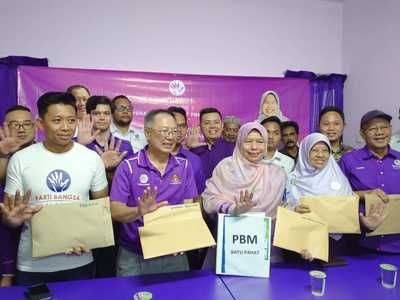
“As I have stated earlier, PBM will contest in seven parliamentary and seven state constituencies for the upcoming national polls,” said Zuraida after opening PBM’s Johor chapter office in Taman Daya here today.

Present at the event was the party’s vice-president and Johor chapter chief Steven Choong Shiau Yoon, who is also the Tebrau MP.

Zuraida, who is also the Ampang MP, said the addition of the three MPs would give PBM a total of seven.

For the state level, she said PBM now has five assemblymen under the party, with three from Perak and two from Selangor, and the addition of two more will bring the total to seven.

Aside from Zuraida and Choong, PBM’s other MPs were Larry Sng (Julau) and Datuk Mohamaddin Ketapi (Silam).

For its state seats, three are from the Perak state seats of Buntong (A Sivasubramaniam), Tronoh (Paul Yong Choo Kiong) and Malim Nawar (Leong Cheok Keng), while those Selangor are Lembah Jaya (Haniza Mohamed Talha) and Sementa (Dr Daroyah Alwi).

On PBM’s latest membership figures, Zuraida claimed the party has more than 40,000 members from 177 registered divisions.

“Although we are still a new party, we are stronger than other existing political parties,” she said after receiving 4,500 new membership applications earlier.

The plantation industries and commodities minister said the time has come for all Malaysians to be recognised by their Malaysian identity, and not by their racial background.

“This is PBM’s unique point where it is led by a multi-racial community.

“At the same time, the party’s leadership also consists members from all age groups, from young to old, making it a factor that strengthens the party.

Menteri Perusahaan Perladangan dan KomoditiYB Datuk Zuraida Kamaruddin berkata bagi tempoh enam bulan pertama tahun ini industri perkayuan merekodkan eksport berjumlah RM13.2 bilion…

Perladangan komuniti eucalyptus mampu tingkatkan industri perkayuan…Datuk Zuraida Kamaruddin

Menteri Perusahaan Perladangan dan Komoditi Datuk Zuraida Kamaruddin (tengah) menyiram air selepas menanam pokok jenis “Eucalyptus” pada program pelancaran Nurseri dan Peladangan Komuniti di Plus Intervest Sdn Bhd, Batu Kikir.

08/09/2022 06:01 PM

JEMPOL, 8 Sept|Perladangan Komuniti melalui penanaman pokok Eucalyptus anjuran Majlis Kayu Kayan Malaysia (MTC) dan Pekilang Papan Lapis Malaysia (MPMA) mampu meningkatkan bekalan kayu serta merancakkan industri perkayuan di negara ini.

Menteri Perusahaan Perladangan dan Komoditi Datuk Zuraida Kamaruddin berkata melalui perladangan komuniti Eucalyptus masyarakat setempat dapat memanfaatkan tanah milik persendirian bagi tujuan penanaman kayu serta memperoleh pendapatan lumayan.

Katanya, sebagai permulaan seramai 78 penduduk kampung di Batu Kikir, dekat sini, dijadikan projek rintis bagi program tersebut yang melibatkan tanah seluas kira-kira 101.2 hektar (250 ekar).

“Konsep perladangan komuniti sudah diamalkan di luar negara dan seharusnya kini dilaksanakan di negara kita.

“Inisiatif ini juga boleh meningkatkan industri perabot selain projek ini dapat memberikan pendapatan lumayan kepada masyarakat yang mempunyai tanah walaupun keluasannya kecil,” katanya kepada pemberita selepas merasmikan majlis pelancaran nurseri dan perladangan komuniti di Plus Intervest Sdn Bhd, di sini, hari ini.

Turut hadir Pengerusi MTC Norrida Yusoff, Ketua Pegawai Eksekutif MTC Muhtar Suhaili, Pengerusi MPMA Datuk Sheikh Othman Rahman dan Pengarah Urusan Plus Intervest Sdn Bhd Datuk Chua Hock Gee.

Datuk Zuraida Kamaruddin berkata, bagi setiap 0.4 hektar tanah (satu ekar tanah) boleh ditanam dengan 600 batang pokok Eycalyptus dan tanaman tersebut mengambil masa enam tahun untuk mendapatkan hasil.

“Diharapkan projek ini dapat menjadi peneraju utama sumber bahan mentah bagi industri kayu di negara ini,” katanya.

Menurutnya, setiap pemilik tanah yang mahu terlibat dalam program tersebut akan menerima anak pokok Eucalyptus dan dibimbing oleh Institut Penyelidikan Perhutanan Malaysia (FRIM) bagi proses penanaman dan penjagaan pokok.

Selain itu, katanya, daun Eucalyptus juga mempunyai manfaat kerana ia boleh diproses untuk dijadikan minyak kayu putih yang digunakan dalam perubatan tradisional.

Datuk Zuraida Kamaruddin berkata modul itu akan dikembangkan dengan melibatkan badan bukan kerajaan (NGO) untuk mencari lebih ramai penduduk setempat mengambil bahagian dalam program tersebut.

Sementara itu, katanya, dalam Jelajah Agrikomoditi Antarabangsa yang dilakukan di 14 negara pada tahun ini, produk kayu Malaysia mendapat sambutan yang baik kerana ia diiktiraf tahan lebih lama pada harga yang kompetitif.

Beliau berkata produk perabot kayu dengan kemahiran kerja yang bagus dan berkualiti tinggi mampu menarik pelabur serta pembeli luar negara dan pasaran sektor kayu kini menjadi antara sumber pendapatan utama negara kerana Malaysia berada di kedudukan kelapan negara pengeksport terbesar dunia.

Datuk Zuraida Kamaruddin berkata bagi tempoh enam bulan pertama tahun ini industri perkayuan merekodkan eksport berjumlah RM13.2 bilion.

IPOSC 2022 sebagai platform menyangkal kempen fitnah blok Barat terhadap komoditi emas negara, kata Menteri Perusahaan Perladangan dan Komoditi Datuk Zuraida Kamaruddin.

Menteri Perusahaan Perladangan dan Komoditi Datuk Zuraida Kamaruddin (dua, kanan) melawat ladang yang ditanam dengan pokok jenis “Eucalyptus” pada program pelancaran Nurseri dan Peladangan Komuniti di Plus IntervestSdn Bhd, Batu Kikir hari ini. Turut hadir (dari kiri) Ketua Pengarah Lembaga Industri Perkayuan Malaysia (MTIB) Kamaruzaman Othman, Pengarah Urusan Plus Intervest Datuk Chu Hock Gee dan Pengerusi Persatuan Pengilang Panel Malaysia (MPMA) Datuk Sheikh Othman Rahman.

08/09/2022 04:06 PM

KUALA LUMPUR, 8 Sept (Bernama) — Persidangan Kelestarian Minyak Sawit Antarabangsa Ke-7 2022 (IPOSC 2022) yang bakal diadakan pada 13 Sept ini akan menjadi platform yang penting untuk Malaysia menyangkal kempen fitnah blok Barat terhadap komoditi emas negara, kata Menteri Perusahaan Perladangan dan Komoditi Datuk Zuraida Kamaruddin.

Beliau berkata IPOSC 2022 bertujuan untuk menjadi platform mengemaskini perkembangan yang relevan dan baharu dalam isu kemampanan dalam industri sawit kepada pihak berkepentingan.

“Ia merupakan inisiatif dalam mengemaskini maklumat semasa industri minyak sawit Malaysia kepada pihak berkepentingan global sebagai maklum balas terhadap kebimbangan mereka dalam isu kemampanan.

“Ini termasuk isu-isu karbon sifar bersih dan usaha penyahkarbonan, pembiayaan hijau dan peluang alam sekitar, sosial dan tadbir urus (ESG), serta perundangan antarabangsa berkaitan penebangan hutan yang akan memberi kesan kepada komoditi seperti minyak sawit,” katanya dalam satu kenyataan hari ini.

Menurut Datuk Zuraida Kamaruddin , industri minyak sawit Malaysia kini berada di barisan hadapan inisiatif kemampanan, yang merangkumi pensijilan kemampanan, pelaporan kemampanan dan tadbir urus ESG.

“Malaysia ingin terus meletakkan industri minyak sawitnya sebagai peneraju dalam kemampanan dan penglibatan ESG. Kajian telah menunjukkan minyak sawit lebih mesra alam berbanding dengan tanaman minyak lain,” jelas beliau.

Persidangan yang diadakan setiap dua tahun sekali bertemakan “Mengalih Pematuhan Kemampanan kepada Pengawasan Kemampanan” juga merupakan sebahagian daripada usaha agresif Kementerian Perusahaan Perladangan dan Komoditi (KPPK) melalui kempen “Gerakan Global untuk Memperjuangkan Kebaikan Minyak Sawit” bagi menangkis maklumat salah dan palsu mengenai minyak emas Malaysia.

“KPPK yakin persidangan ini akan melonjakkan status Malaysia sebagai pemimpin global dalam pengurusan mampan industri minyak sawit.

“Ini seterusnya dapat membantu menyangkal dakwaan tidak berasas dari Barat yang industri minyak sawit Malaysia bukan penyebab kerosakan ekologi,” kata Datuk Zuraida Kamaruddin.

IPOSC 2022 sebagai platform menyangkal kempen fitnah blok Barat terhadap komoditi emas negara, kata Menteri Perusahaan Perladangan dan Komoditi Datuk Zuraida Kamaruddin.

Menteri Perusahaan Perladangan dan Komoditi Datuk Zuraida Kamaruddin (dua, kanan) melawat ladang yang ditanam dengan pokok jenis “Eucalyptus” pada program pelancaran Nurseri dan Peladangan Komuniti di Plus IntervestSdn Bhd, Batu Kikir hari ini. Turut hadir (dari kiri) Ketua Pengarah Lembaga Industri Perkayuan Malaysia (MTIB) Kamaruzaman Othman, Pengarah Urusan Plus Intervest Datuk Chu Hock Gee dan Pengerusi Persatuan Pengilang Panel Malaysia (MPMA) Datuk Sheikh Othman Rahman.

08/09/2022 04:06 PM

KUALA LUMPUR, 8 Sept (Bernama) — Persidangan Kelestarian Minyak Sawit Antarabangsa Ke-7 2022 (IPOSC 2022) yang bakal diadakan pada 13 Sept ini akan menjadi platform yang penting untuk Malaysia menyangkal kempen fitnah blok Barat terhadap komoditi emas negara, kata Menteri Perusahaan Perladangan dan Komoditi Datuk Zuraida Kamaruddin.

Beliau berkata IPOSC 2022 bertujuan untuk menjadi platform mengemaskini perkembangan yang relevan dan baharu dalam isu kemampanan dalam industri sawit kepada pihak berkepentingan.

“Ia merupakan inisiatif dalam mengemaskini maklumat semasa industri minyak sawit Malaysia kepada pihak berkepentingan global sebagai maklum balas terhadap kebimbangan mereka dalam isu kemampanan.

“Ini termasuk isu-isu karbon sifar bersih dan usaha penyahkarbonan, pembiayaan hijau dan peluang alam sekitar, sosial dan tadbir urus (ESG), serta perundangan antarabangsa berkaitan penebangan hutan yang akan memberi kesan kepada komoditi seperti minyak sawit,” katanya dalam satu kenyataan hari ini.

Menurut Datuk Zuraida Kamaruddin , industri minyak sawit Malaysia kini berada di barisan hadapan inisiatif kemampanan, yang merangkumi pensijilan kemampanan, pelaporan kemampanan dan tadbir urus ESG.

“Malaysia ingin terus meletakkan industri minyak sawitnya sebagai peneraju dalam kemampanan dan penglibatan ESG. Kajian telah menunjukkan minyak sawit lebih mesra alam berbanding dengan tanaman minyak lain,” jelas beliau.

Persidangan yang diadakan setiap dua tahun sekali bertemakan “Mengalih Pematuhan Kemampanan kepada Pengawasan Kemampanan” juga merupakan sebahagian daripada usaha agresif Kementerian Perusahaan Perladangan dan Komoditi (KPPK) melalui kempen “Gerakan Global untuk Memperjuangkan Kebaikan Minyak Sawit” bagi menangkis maklumat salah dan palsu mengenai minyak emas Malaysia.

“KPPK yakin persidangan ini akan melonjakkan status Malaysia sebagai pemimpin global dalam pengurusan mampan industri minyak sawit.

“Ini seterusnya dapat membantu menyangkal dakwaan tidak berasas dari Barat yang industri minyak sawit Malaysia bukan penyebab kerosakan ekologi,” kata Datuk Zuraida Kamaruddin.

Malaysian rubber seeks ASEAN and global demand…YBM Datuk Hajah Zuraida Kamaruddin

QUEEN ELIZABETH DAN ANAKANDANYA
PRINCESS ANNE TURUT
MENCUBA MENOREH POKOK
GETAH
Di
Malaysia -1971

06/09/2022 01:59 PM

KUALA LUMPUR, Sept 6

Malaysia is focusing on the ASEAN developing countries to support Malaysia’s rubber sector as there is global demand for local rubber, said Plantation Industries and Commodities Minister YB Datuk Hajah Zuraida Kamaruddin.

She said despite the rising competition globally, the ministry is confident that Malaysian manufacturers will keep their competitive advantage through pricing and advancement in research.

“Malaysia has successfully produced a new generation of natural rubber and graphene composite for the manufacture of aerospace balloons. This underscores the achievements made by the Malaysian rubber industries,” she said.

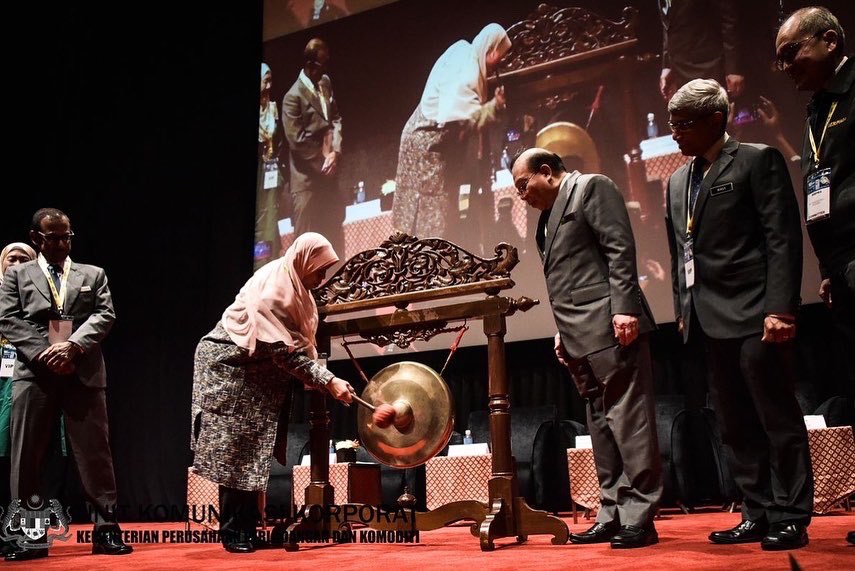
YB Datuk Hajah Zuraida Kamaruddin was speaking at the launch of the 10th International Rubber Glove Conference and Exhibition (IRGCE) held in conjunction with the 3rd International Rubber Industry Convention and Expo (IRICE) and the Rubber Conference 2022.

Most Malaysian rubber products are produced sustainably and manufacturers are concerned about  labour practices, she said.

She urged all stakeholders in the rubber industry to ensure a secure and sustainable future by balancing socioeconomic progress with environmental concerns.

“Our research centres, Tun Abdul Razak Research Centre, United Kingdom and Rubber Research Institute, Sungai Buloh have various research emphasis including advanced materials, products, engineering and biotechnology,” she said.

The main purpose of the research centres is to support the Malaysian rubber industry, offer a variety of testing and other services.

These include compounding, physical testing, engineering design, tyre testing and analytical services, she added.

IRGCE is organised by the Malaysian Rubber Glove Manufacturers Association and IRICE by the Malaysian Rubber Products Manufacturers Association (MRPMA). Both events were co-hosted by the Malaysian Rubber Council (MRC).

According to the statement released in conjunction with the event, MRC has organised a two-day business matching programme under its global sourcing mission to link up Malaysian companies with potential international buyers.

MRC has also organised career talks on Sept 6 and 7 specifically for students from local public and private learning institutions to alleviate their exposure and knowledge of career opportunities within the Malaysian rubber and rubber glove industries.

IRGCE with the theme “Breaking Boundaries: Game Changing Initiatives” features products from 268 companies from among 17 countries in more than 633 booths.

Exhibitors comprise major players in the rubber glove supply chain including four of the world’s largest glovemakers, latex and chemical suppliers, the statement said.

IRICE is organised by MRPMA to promote Malaysian dry rubber products used in various industries such as building and construction, engineering, electronics, automotive among others.

This exhibition, held concurrently with other events, is hosting 78 companies in 86 exhibition booths, making it the largest dry rubber products event in Malaysia, the statement said.

Pekebun kecil digesa sertai KPSM bagi mudahkan pemantauan….YB Datuk Hajah Zuraida Kamaruddin

03/09/2022 04:36 PM

YB Datuk Hajah Zuraida Kamaruddin

MEMBAKUT, 3 Sept (Bernama) — Menteri Perusahaan Perladangan dan Komoditi Datuk Zuraida Kamaruddin menyeru agar lebih ramai pekebun kecil menyertai Koperasi Penanam Sawit Mampan (KPSM) bagi memudahkan Lembaga Minyak Sawit Malaysia (MPOB) memantau dan membantu menyelesaikan permasalahan dihadapi pekebun berkenaan.

Beliau berkata KPSM bertanggungjawab untuk menyelaras dan memantau pengurusan jualan bagi memastikan proses lebih tersusun dan teratur selain berperanan sebagai ‘orang tengah’ antara pekebun dan MPOB atau pihak kementerian.

“KPSM ditubuhkan sebagai langkah strategik kerajaan melalui Kementerian Perusahaan Perladangan dan Komoditi (KPPK) bagi menjamin keterlibatan pekebun kecil dalam model ekonomi baharu yang memberi tumpuan kepada pengendalian koperasi serta industri kecil dan sederhana. 

“KPSM menjalankan perniagaan yang memberi kesan langsung kepada peningkatan pendapatan ahli seperti jualan buah tandan segar (BTS) berkelompok dan pembelian input secara pukal selain boleh terbabit dalam perniagaan lain untuk memperkukuh status kewangan koperasi yang kemudian diagih sebagai dividen kepada ahli,” katanya.

Beliau berkata demikian kepada pemberita selepas merasmikan Pusat Timbang KPSM Kimanis Berhad di sini hari ini.

Pada masa yang sama, Zuraida mengalakkan lebih banyak koperasi ditubuhkan bagi memudahkan kerajaan untuk terus memberikan bantuan dan inisiatif kepada anggota koperasi. 

“Sehingga Julai 2022, sebanyak 69 KPSM ditubuhkan di seluruh negara iaitu 24 di Semenanjung, 27 di Sabah dan 18 di Sarawak. Sebanyak 66  pusat timbang KPSM telah siap dibina sepenuhnya dan telah melaksanakan jualan kelompok BTS terus ke kilang dengan jumlah sebanyak 149,241 tan. 

“Di Sabah, sebanyak 25 KPSM telah menjalankan urus niaga BTS berjumlah 222,389.32 tan, sekali gus memberi manfaat kepada 2,415 pekebun kecil yang menjadi ahli,” katanya.

Mengulas mengenai KPSM Kimanis Berhad, Zuraida berkata ia telah ditubuhkan pada 15 Julai 2020 dengan keahlian berjumlah 56 orang setakat Julai 2022.

If the truth matters, presenting false information as factual must be stopped…The Honourable Malaysian Minister Datuk Hajah Zuraida Kamaruddin

KIMANIS, SABAH|03 SEPTEMBER 2022

The Honourable Malaysian Minister Datuk Hajah Zuraida Kamaruddin

The Complicity of NGOs in Creating Fake News on Palm Oil

New York Times (2018) Palm Oil Was Supposed to Help Save the Planet. Instead It Unleashed a Catastrophe. A decade ago, the U.S. mandated the use of vegetable oil in biofuels, leading to industrial-scale deforestation — and a huge spike in carbon emissions.

CNN (2019) Kalimantan, Indonesia — Deep within the jungles of Indonesian Borneo, illegal fires rage, creating apocalyptic red skies and smoke that has spread as far as Malaysia and Singapore.

People are choking. Animals are dying. This is no ordinary fire. It was lit for you.

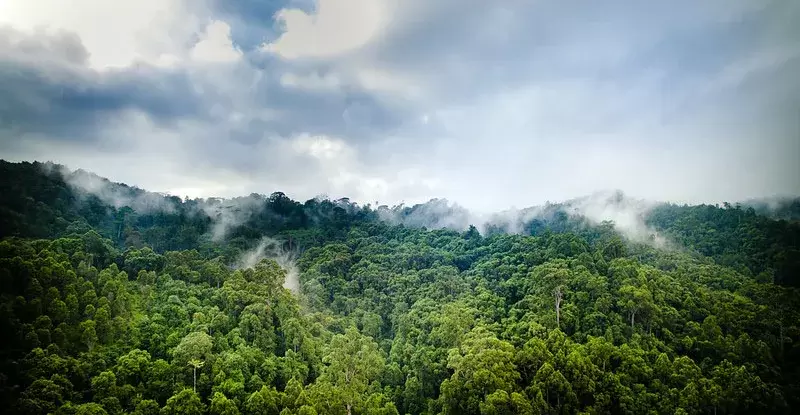
Tropical forest palm oil

When palm oil is featured in media like the New York Times and CNN as bad for people and planet, it’s a hard fight for the palm oil industry.
 
The industry was invincible in the early years of its boom. It didn’t matter what accusations were leveled against it, there were willing buyers lined up across the world.
 
The situation remains to this day where boycotts and bans of palm oil by a handful of Western consumers to “save rainforests from palm oil” have been silenced by the billions of consumers in India, China and even in Western countries who demand an affordable vegetable oil.
 
However, the reputational damage from a ban from the lucrative market of EU biofuels has seen strong reactions from the main palm oil producing countries of Indonesia and Malaysia.
 
The reason for the strong reactions is that both countries have been working towards the sustainability of the palm oil sector as part of their national commitments to develop sustainably. The EU ban was seen as a slight of the national certifications in the Malaysian Sustainable Palm Oil (MSPO) and Indonesian Sustainable Palm Oil (ISPO) which represent the countries efforts towards sustainable palm oil production.
 
Their efforts could use the support of conservation-minded markets like the EU but some MEPs unfortunately, hold an extremely negative view of palm oil.

Palm oil deforestation

Image Credit: Bart van Assen

Satellite Mapping, Remote Sensing and the Burden of Proof

The negative sentiment against palm oil requires that palm oil producing countries back up their claims of sustainability with a burden of proof through new technologies.

This is absolutely essential as well meaning groups like Rainforest Alliance, which certifies sustainable palm oil, uses old data from World Resources Institute to accuse the global palm oil industry of:

“being the second biggest driver of global tree cover loss and a top driver of biodiversity loss. Additionally, its rapid expansion has fueled greenhouse gas emissions.”

This is nowhere near the truth in 2022.

Jean-Marc Roda from CIRAD had published a report in 2019 “The geopolitics of palm oil and deforestation” that showed forest loss in Indonesia and Malaysia was being wrongly blamed on palm oil.

His findings were supported by a 2022 report from Satelligence which has been monitoring the dynamics of deforestation of several commodities in Indonesia via satellite over the last 20 years

So how did palm oil get such a bad rap for deforestation? Older remote sensing technology created the problem by presenting false information as factual.

According to Bart van Assen, who coined the term “Pretty Earth Fallacy,” Google Earth remote sensing as used by people like Roberto Cazzolla Gatti to claim that “Certified “sustainable” palm oil took the place of endangered Bornean and Sumatran large mammals habitat and tropical forests in the last 30 years” are guilty of creating fallacies.

Satellites are in some ways like cameras but in other ways very different: they record light, but in a very different way. They also record light invisible to the human eye, in particular in the infrared (IR) and near infrared (NIR) spectrum.
 
Hence, the data from satellites is often converted to be visualized and is always done so with a certain bias to emphasize certain aspects. E.g. the NIR is converted to green to display biomass,
 
It is also worth noting that until recently, the resolution of satellite imagery was very course at 60×60 m. This simply didn’t allow for an accurate identification of intact tropical forest.”
 
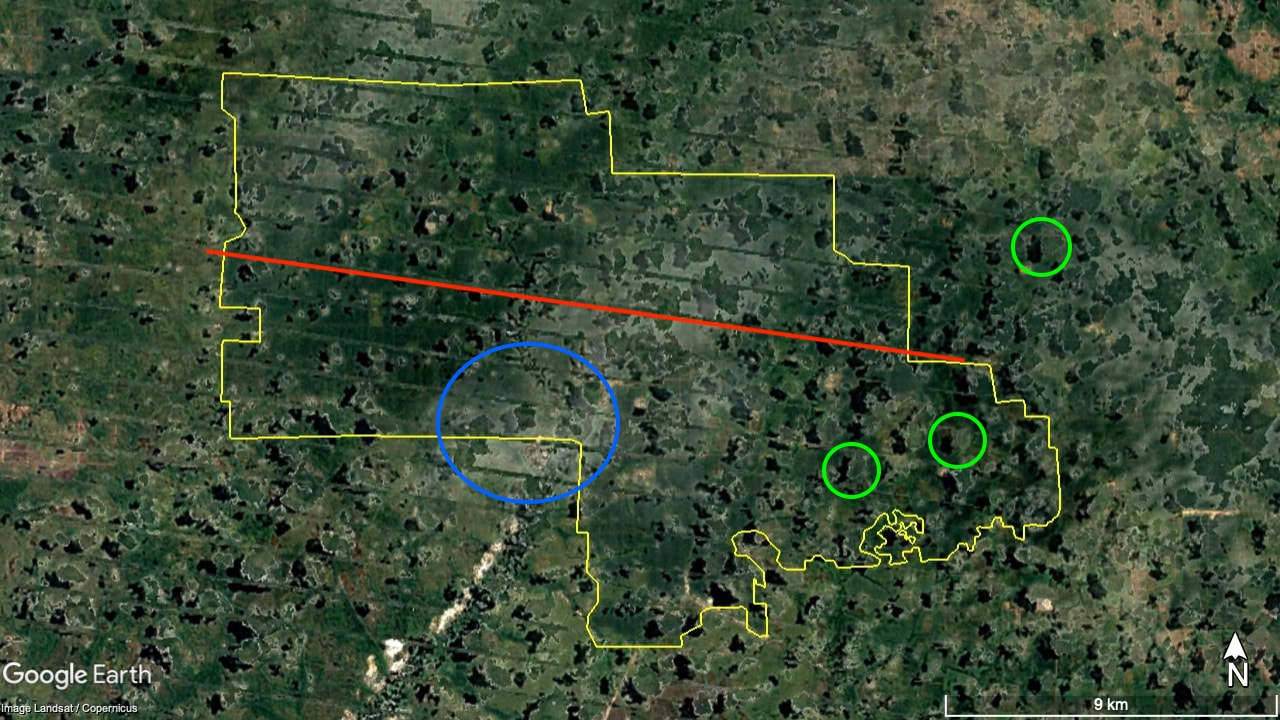
Yet another point of importance is the abundance of clouds in the wet tropics, which are cut away (while their shadows remain) in all pretty earth imagery.
 
All of the above is ignored by journalists and dishonest scientists: they present google historical imagery as actual photographs of earth, even refer to it as satellite images. They then interpret dark green (including cloud shadows) as intact rainforest. A great example is Aidenvironment “interpreting” agricultural land as intact tropical forest:
 
When challenged about their inaccurate information,  Aidenvironment employees argued that the results justified the means, that their false information would ensure that deforestation would stop.


Aidenvironment is no stranger to controversy in its mapping work. A rich contract with Genting Plantations where its advice to the company on “go no-go” areas ended up being severely criticized by an Indonesian group.

That was a small case according to Bart van Assen who brought up the sensational case of Greenpeace vs PT Smart. Based on map work supplied by Aidenvironment, Greenpeace accused PT Smart of deforestation which led to the company being cut out of supply agreements with palm oil buyers like Unilever.

PT Smart reacted with an independent verification of Greenpeace’s accusations by appointing two Certification Bodies, Control Union Certifications (CUC) and BSI Group (BSI), and experts from Faculty of Forestry, Bogor Agriculture Institute (IPB) to review the accusations.

The reviews addressed Greenpeace’s reports including “Burning Up Borneo,” “RSPO Greenwash”, “Caught Red Handed”, “New Evidence: Sinar Mas – Rainforest and Peatland Destruction”, and “Sinar Mas Continues Rainforest Destruction

The Independent Verification Report (IVEX) which resulted was used successfully to challenge Greenpeace’s accusations.

In the hope of preventing future gaffs by NGOs looking to make a name for themselves by attacking palm oil production in Indonesia, Bart published a paper in 2021 to debunk the myths of palm oil and deforestation in Indonesia.

“In a nutshell, our paper notes how of the land planted with oil palms starting 1992 half was already abandoned lands and agricultural mosaics in 1984 (about a decade earlier) while the other half was (heavily) degraded forest then. Hence, no (near) intact forests were converted for the estates we sampled! I believe this to be the case for 90% of the oil palm cultivation in Indonesia: oil palm cultivation follows after deforestation rather than causes it.”

As the European Union seeks closer tieswith Southeast Asian nations with a full summit this December, the top priority for palm oil producing countries should be to remove the controversial matter of palm oil and its purported impact on forests. Balancing the geopolitical securities will not be an easy task for the EU which is facing protests against its deforestation policy from other nations.

With the pending EU legislation to stop imported deforestation through Corporate Due Diligence, the availability of precise satellite mapping will be essential for palm oil producers to verify that their palm oil, did not cause deforestation. 

The Honourable Malaysian Minister Datuk Hajah Zuraida Kamaruddin… It is an uphill battle for the palm oil industry with rampant misinformation, unsubstantiated claims, and even ludicrous mathematical calculation on social media.

Sabah|Malaysia|3rd September 2022

YB Datuk Hajah Zuraida Kamaruddin…
Palm Oil.Winning the
Public Relations War

Palm Oil. Winning the War But Losing the Media Battles

  • The palm oil industry is winning the war in demanding its place in a sustainable market.
  • Government policies including Malaysia’s commitment to sustainable palm oil production and Indonesia’s wider commitment to Forestry and Land Use (FoLU) are being acknowledged in major markets.
  • Demands to place other vegetable oils under the same standards has seen victories as soy is being highlighted as an unsustainable source for the EU’s biofuels program.

Global markets are grappling with a shortage of cooking oils. The Ukraine war accentuated the problem when Ukraine, as a major exporter of sunflower oil, saw its exports stopped. This led to a global surge in demand for palm oil which triggered an export ban by Indonesia to keep local prices affordable.

But as global supplies ease with the export of Ukrainian agricultural products and Indonesia’s lifting of its export ban, the long term threat posed by climate change threatens food security in Europe. The global relief felt when Indonesia lifted its palm oil export ban is evidence of the importance of palm oil to keeping inflation at bay. Even the most notorious of anti-palm oil companies have back-pedaled their positions and started to use palm oil again in their products.

As premium markets for palm oil in the EU and US open up in the global recovery, the increased demand for palm oil in 2022 may not last despite its status as an affordable cooking oil. 

Two key market factors stand in the way of becoming a consistent supply of vegetable oil that is less exposed to the threats of climate change.

  • First factor is the pending legislations in the EU and the US to impose restrictions on the import of commodities that are linked to deforestation.
  • Second factor is the ingrained prejudice held by European and American consumers against palm oil.

Legislative factors are less of a concern to palm oil producing countries. Communication efforts by the intergovernmental organization, Council of Palm Oil Producing Countries (CPOPC) have successfully argued that palm oil is a needed component for the sustainable development of countries. This has led to government-to-government initiatives like USAID and the Joint Working Group on Palm Oil which will be able to resolve any concerns that palm oil importing countries have.

Media a Threat to Eroding Palm Oil Sustainability Credentials

In order for these G2G initiatives to have any credibility for consumers in the EU and the US, palm oil producing countries cannot sit on judicial recognitions alone. There is an ingrained prejudice held against palm oil by consumers in Europe and the US which will require extrajudicial efforts on the part of palm oil producing countries to remove.

This will require some dirty street fighting in media, especially social media, which palm oil producing countries media campaigns must engage in. One of the key challenges for palm oil producing countries is to remove the root of all the misinformation on palm oil. This one claim against palm oil will continue to erode any confidence in the sustainable production of palm oil until it is resolved on social media.

“Every hour(?) every minute(?), 300 football fields of rainforests are destroyed to make way for palm oil”

In 2013, Rainforest Foundation US/ Global Citizen made a claim that:

“Every minute, an area the size of 300 football fields of the world’s most dense, species rich forest is destroyed to create palm oil plantations.”

The claim was ridiculed by Alert-Conservation which published a piece in 2014, on football-fields of deforestation written by Erik Meijaard

Erik’s criticism of the exaggeration has been largely ignored as online media like One Green Planet claimed shortly after, that Palm Oil is Causing Football Fields Worth of Flames.

One Green Planet did tone down the exaggeration from “one minute” to “one hour” but it still does not make sense. If the editors at One Green Planet had done the math, they would have realised that reducing the exaggeration from “one minute” to “one hour” still meant that Indonesia would have been completely covered in palm oil at the time of their writing in 2016.

So how did this outrageous claim on palm oil start?

Online information indicates that the “300 football fields lost to palm oil” started the way rumours always start. Information gets twisted and bloated from one whisper to another.

The oldest reference found online is from a screenshot of WWF Australia’s Palm Oil Factsheet which slyly mentioned the United Nations to support their claim that 300 football fields are cleared every hour in Malaysia and Indonesia for palm oil.